Stories
Every edition in the series. Each Twain story as he wrote it, annotated and illustrated, with a modern retelling alongside, and a fully illustrated graphic novel on Kindle.
In print
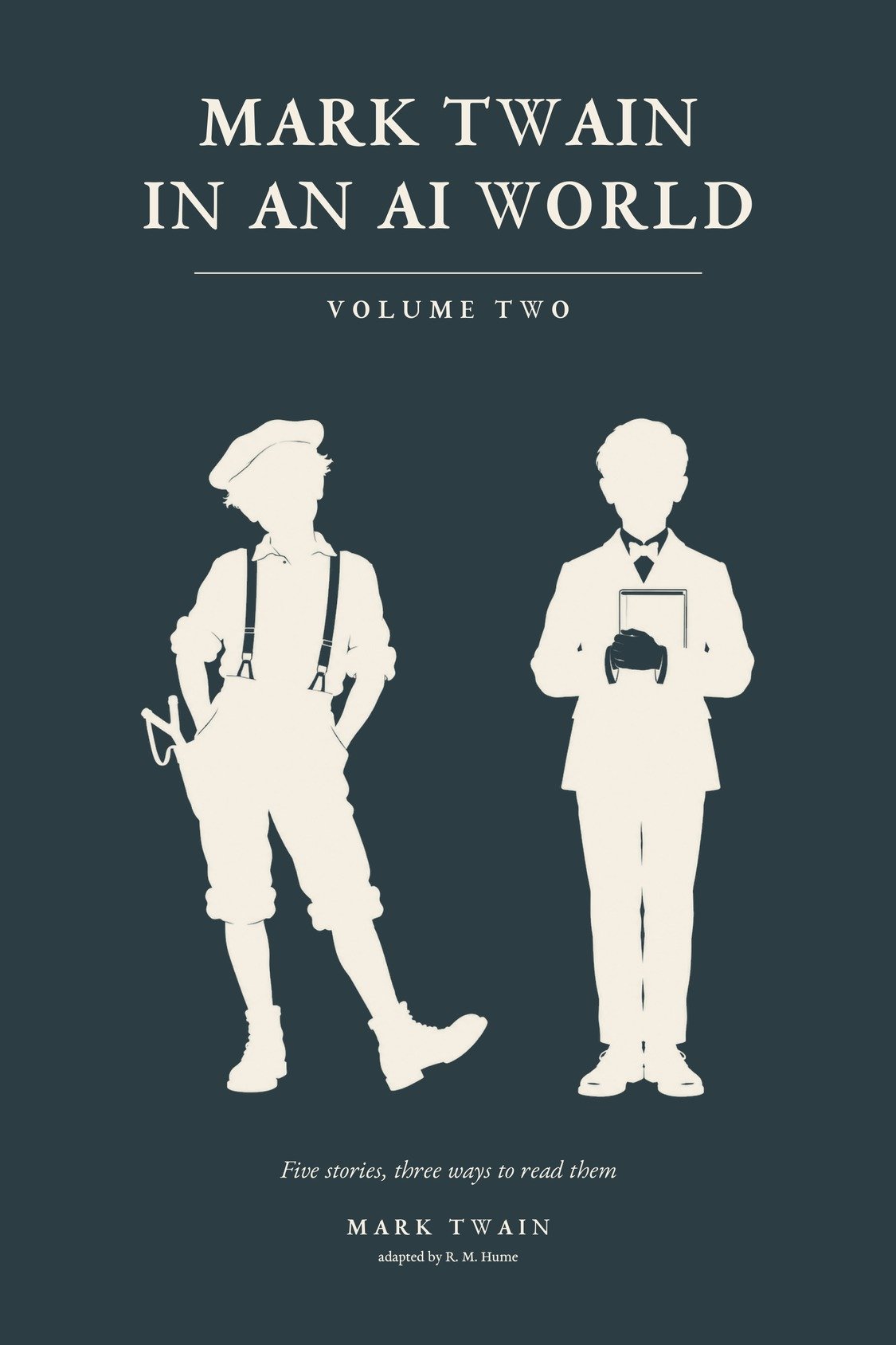
Volume Two: Five Stories, Three Ways
by Mark Twain, retold by R. M. Hume
Five more of Twain’s short pieces, from a matched pair of Sunday-school satires to A True Story, the serious closer. Each is printed as he published it and told again in pictures as a graphic novel; the four comedies also get a plain modern English retelling. The Story of the Bad Little Boy, The Story of the Good Little Boy, How I Edited an Agricultural Paper Once, Political Economy, and A True Story, together in one paperback.
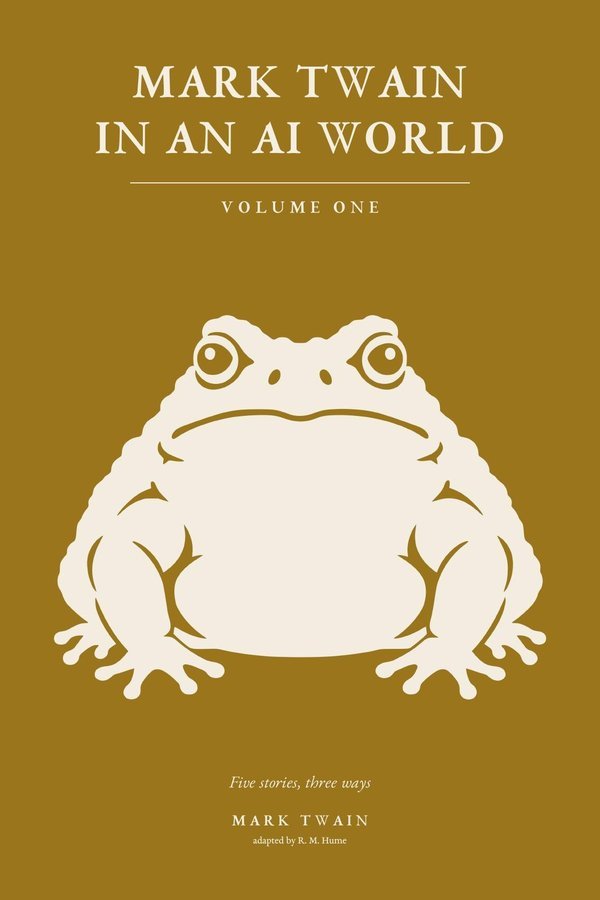
Volume One: Five Stories, Three Ways
by Mark Twain, retold by R. M. Hume
Five of Twain’s funniest short pieces, each printed three ways: the story as he published it, the same story retold in plain modern English, and the story told again in pictures as a graphic novel. The Jumping Frog, Journalism in Tennessee, The Invalid’s Story, The Stolen White Elephant, and Baker’s Blue-Jay Yarn, together in one paperback.
All editions
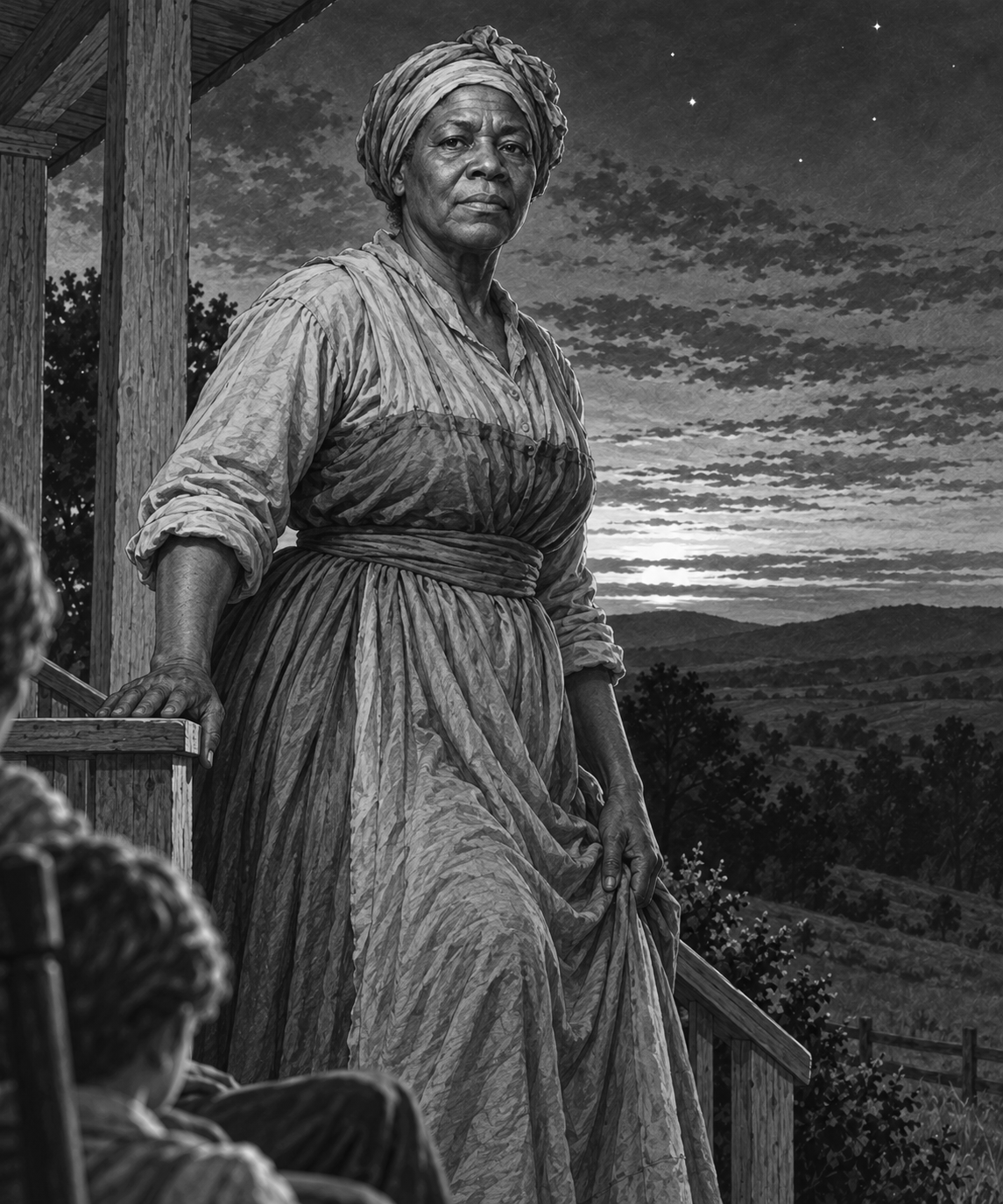
A True Story
by Mark Twain
Twain’s 1874 Atlantic piece, and his first serious writing about slavery. On a summer porch, Aunt Rachel answers a thoughtless question, and her own words carry the whole story. The opening is free to read here; the full illustrated edition is on Kindle.
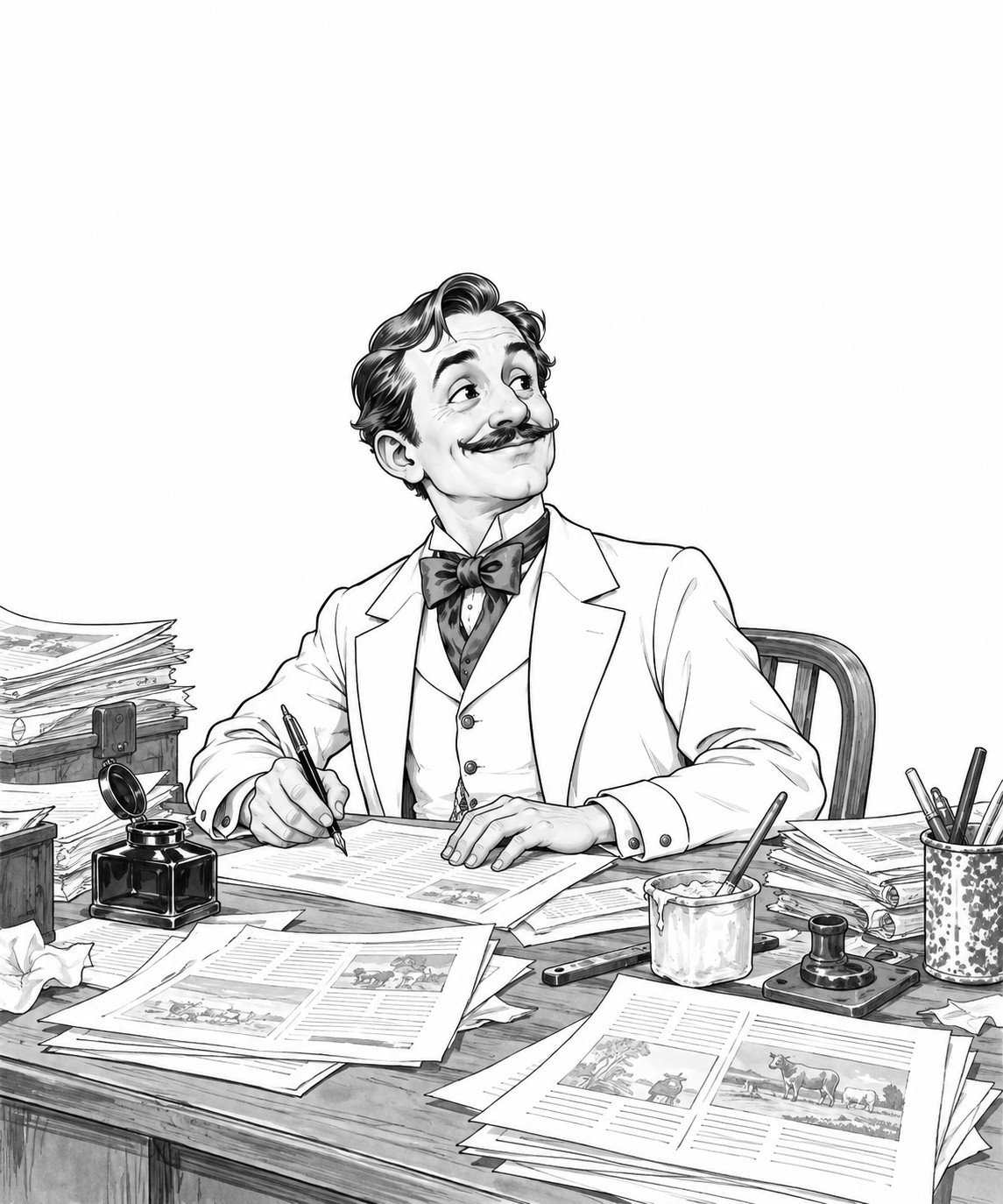
How I Edited an Agricultural Paper Once
by Mark Twain
Twain’s 1870 sketch of a man who edits a farm paper without knowing the first thing about farming. He shakes turnips down from the tree and rears the guano bird, the town gathers to gape at him, and the paper has never sold better. Annotated, with a modern retelling.
Political Economy
by Mark Twain
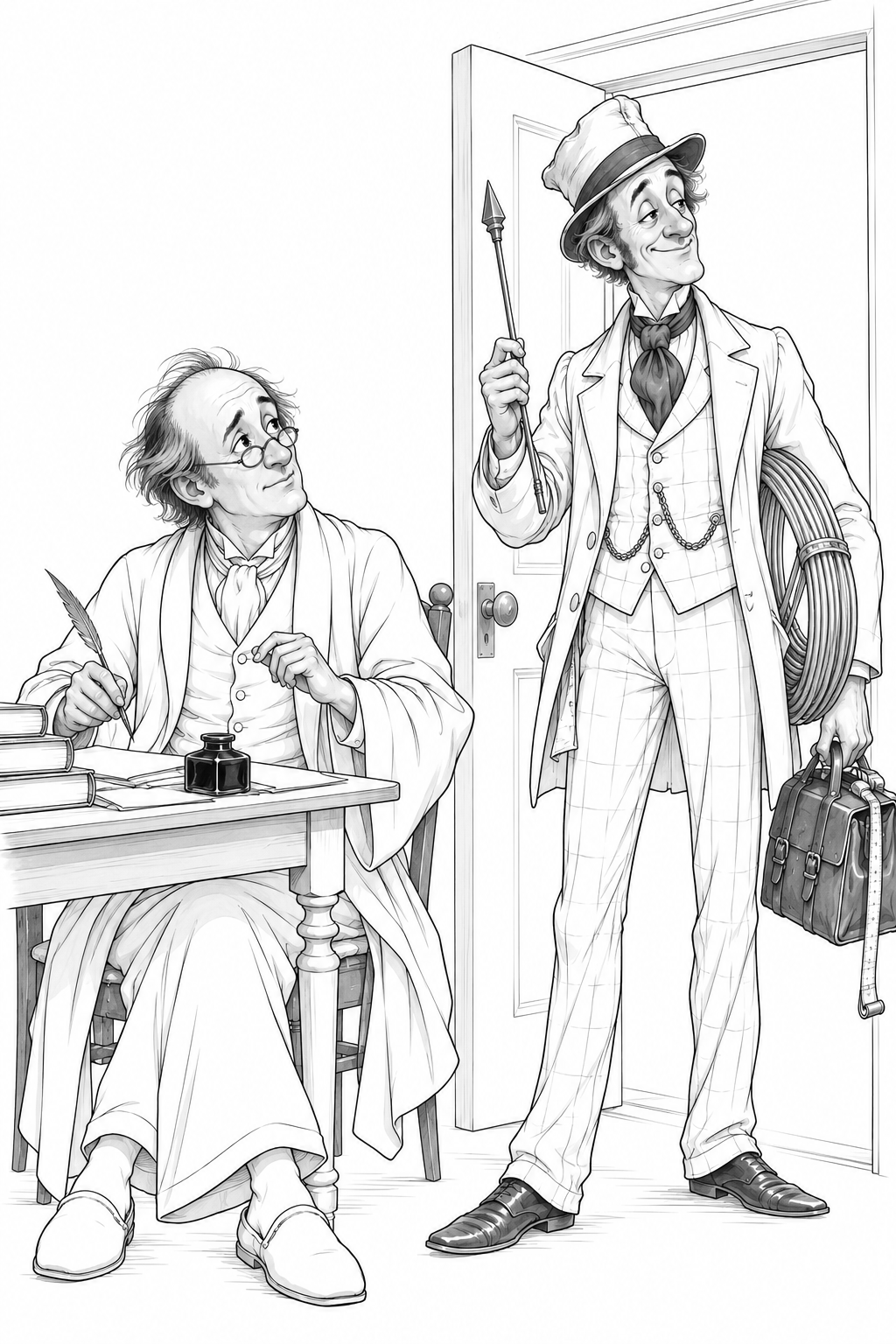
The narrator sits down to write a grand treatise on political economy and is fleeced, one lightning rod at a time, by a salesman at the door. Annotated, with a modern retelling.
The Story of the Good Little Boy
by Mark Twain
Twain’s 1870 companion to the Bad Little Boy. Jacob Blivens does everything the Sunday-school books reward, and is punished for all of it. Annotated, with a modern retelling.
The Story of the Bad Little Boy
by Mark Twain
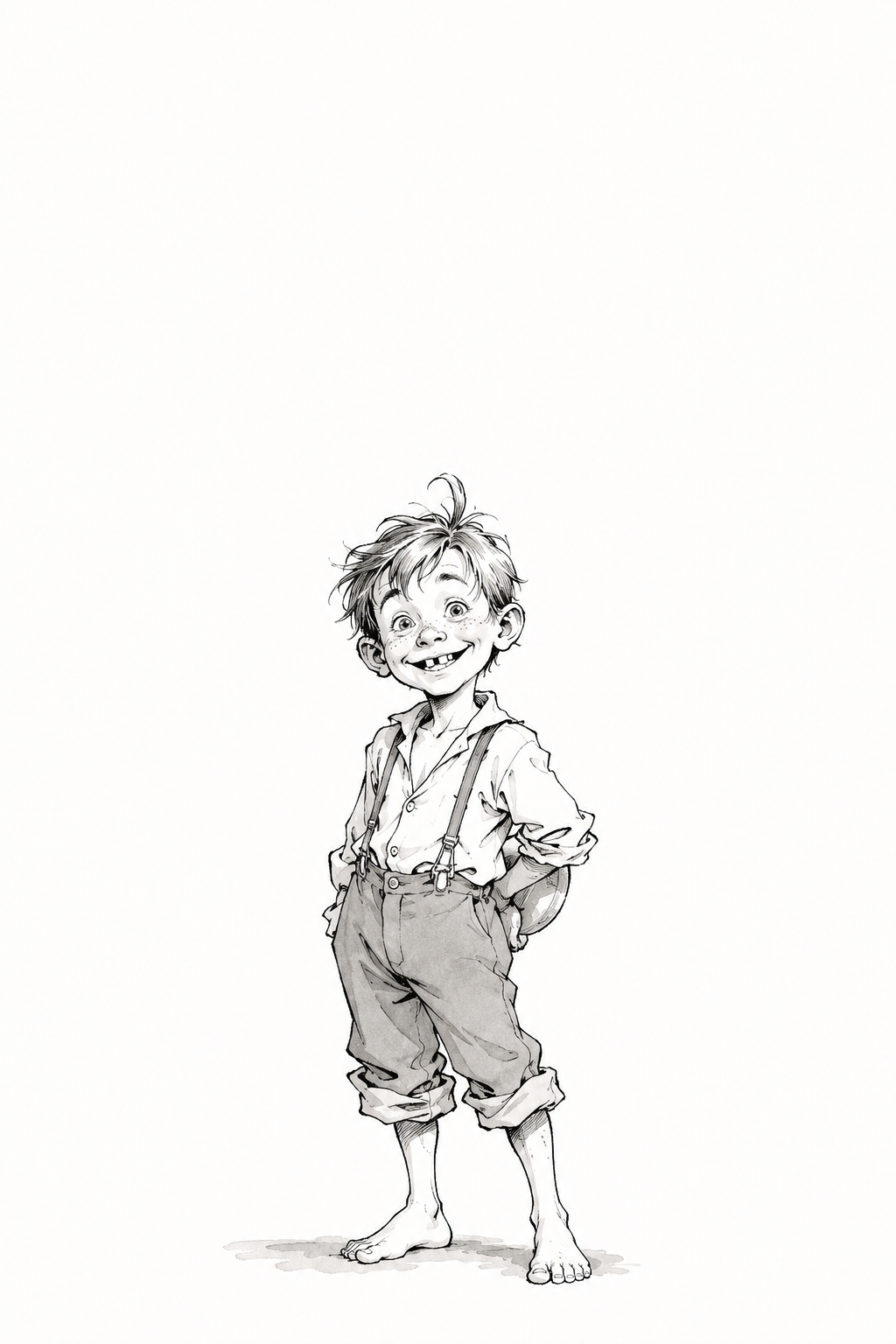
Twain’s 1865 send-up of the Sunday-school moral tale. Jim steals, lies, and breaks the Sabbath, and every punishment the books promise never arrives. Annotated, with a modern retelling.
Baker’s Blue Jay Yarn
by Mark Twain
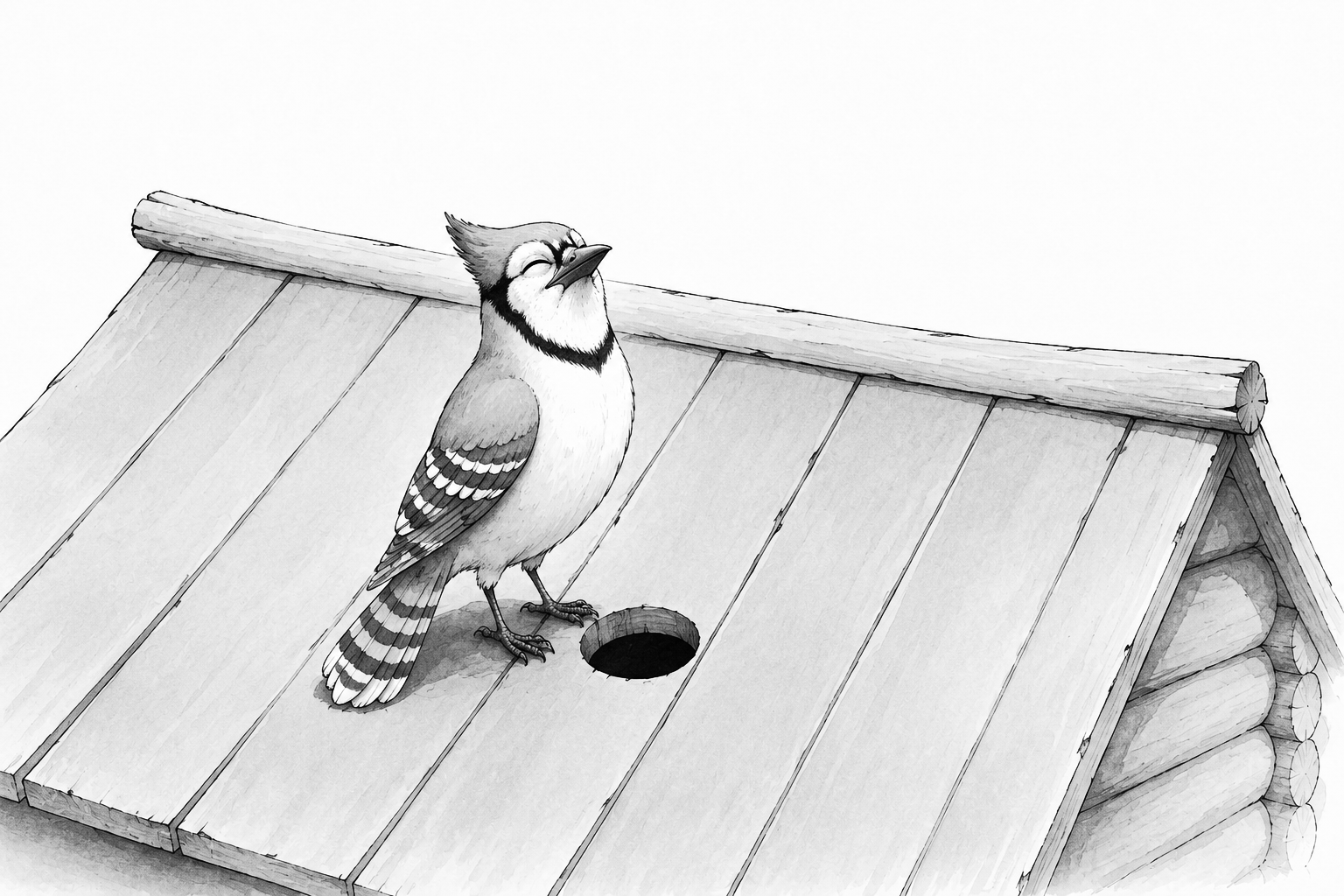
A lonely miner swears he can talk to the birds, then tells of the bluejay who finds a knot-hole in an empty cabin and sets out to fill it with acorns. Twain’s tall tale, annotated, with a modern retelling.
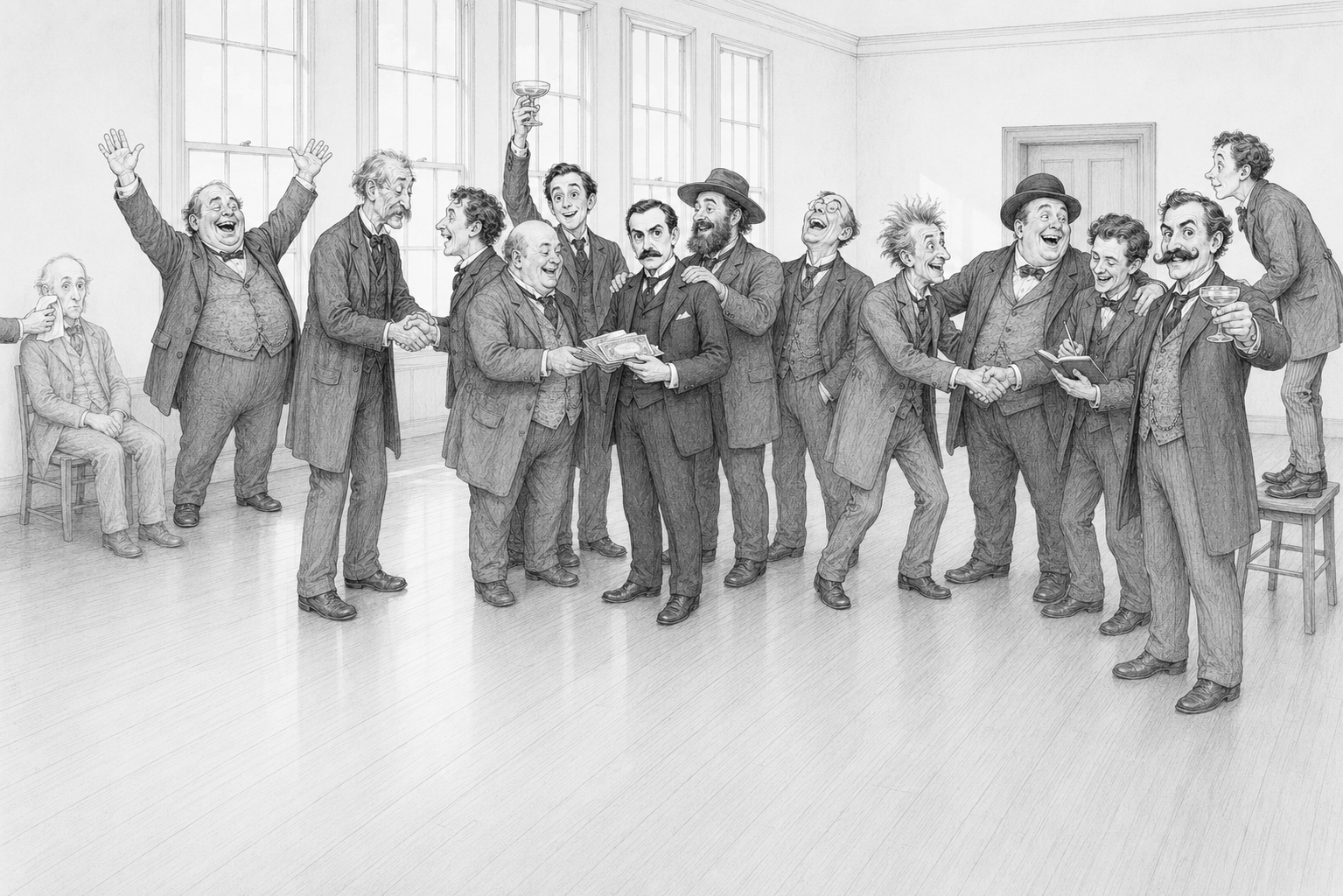
The Stolen White Elephant
by Mark Twain
A sacred elephant bound for the Queen goes missing in New Jersey, and the celebrated Inspector Blunt mounts an investigation of magnificent thoroughness and no result whatever. Twain’s deadpan satire of the celebrity detective, annotated, with a modern retelling.
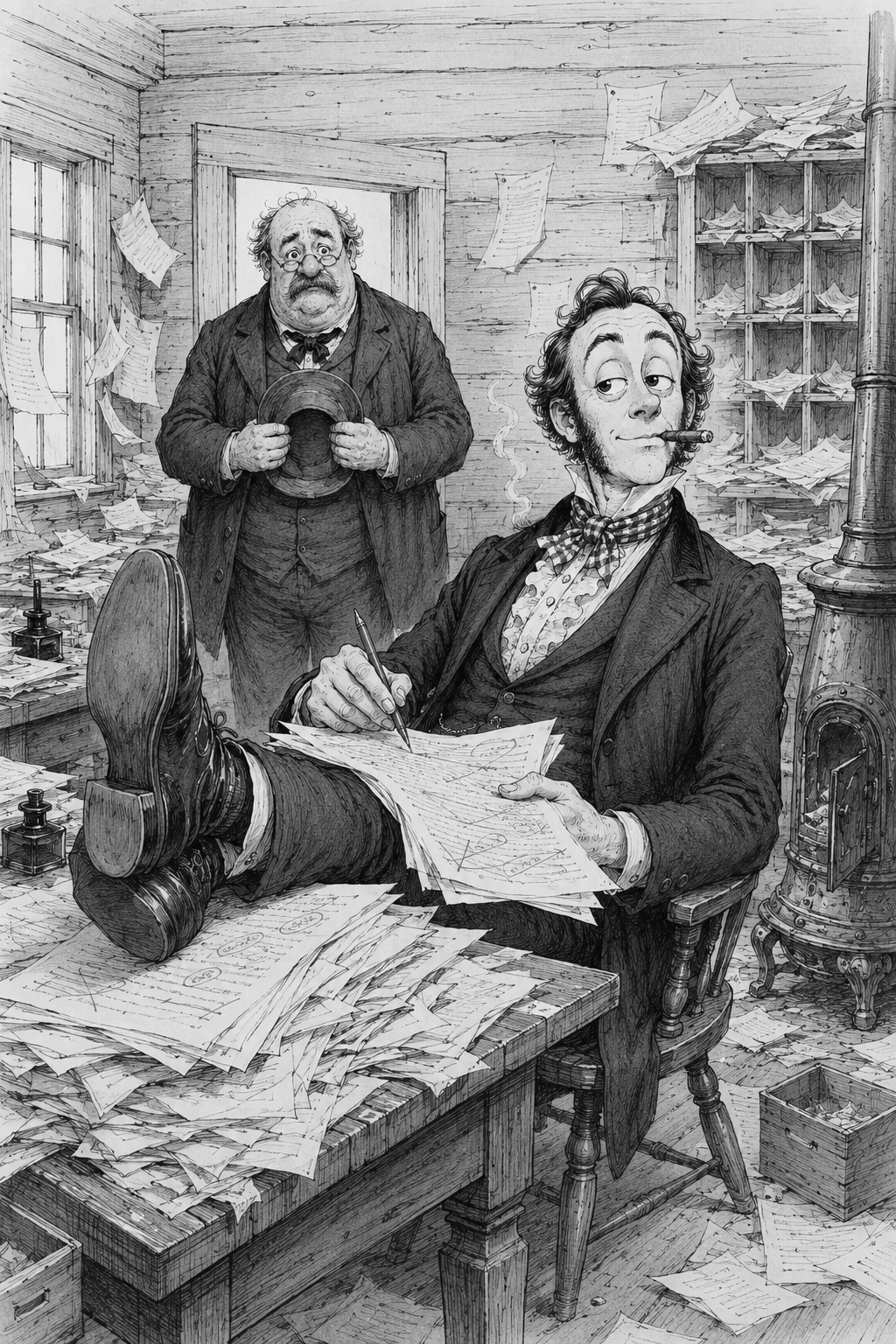
Journalism in Tennessee
by Mark Twain
A mild new editor takes a desk at a frontier paper for his health and spends one afternoon shot, bombed, thrown out a window, and mobbed, while his chief calls it vigorous writing. Twain’s newspaper farce, annotated, with a modern retelling.
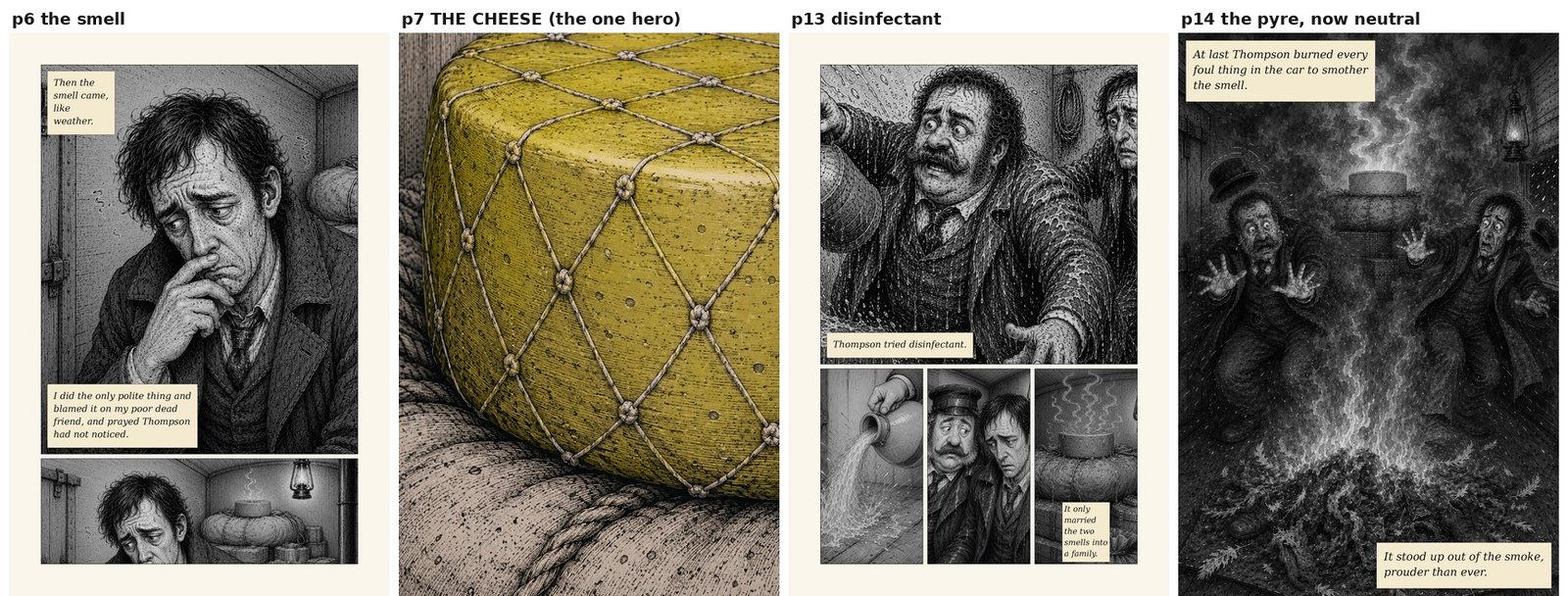
The Invalid’s Story
by Mark Twain
A sealed train car, a box of rifles, and a wheel of cheese. Twain’s deadpan farce, run alongside his own rules for how a comic story is told, with a modern retelling.
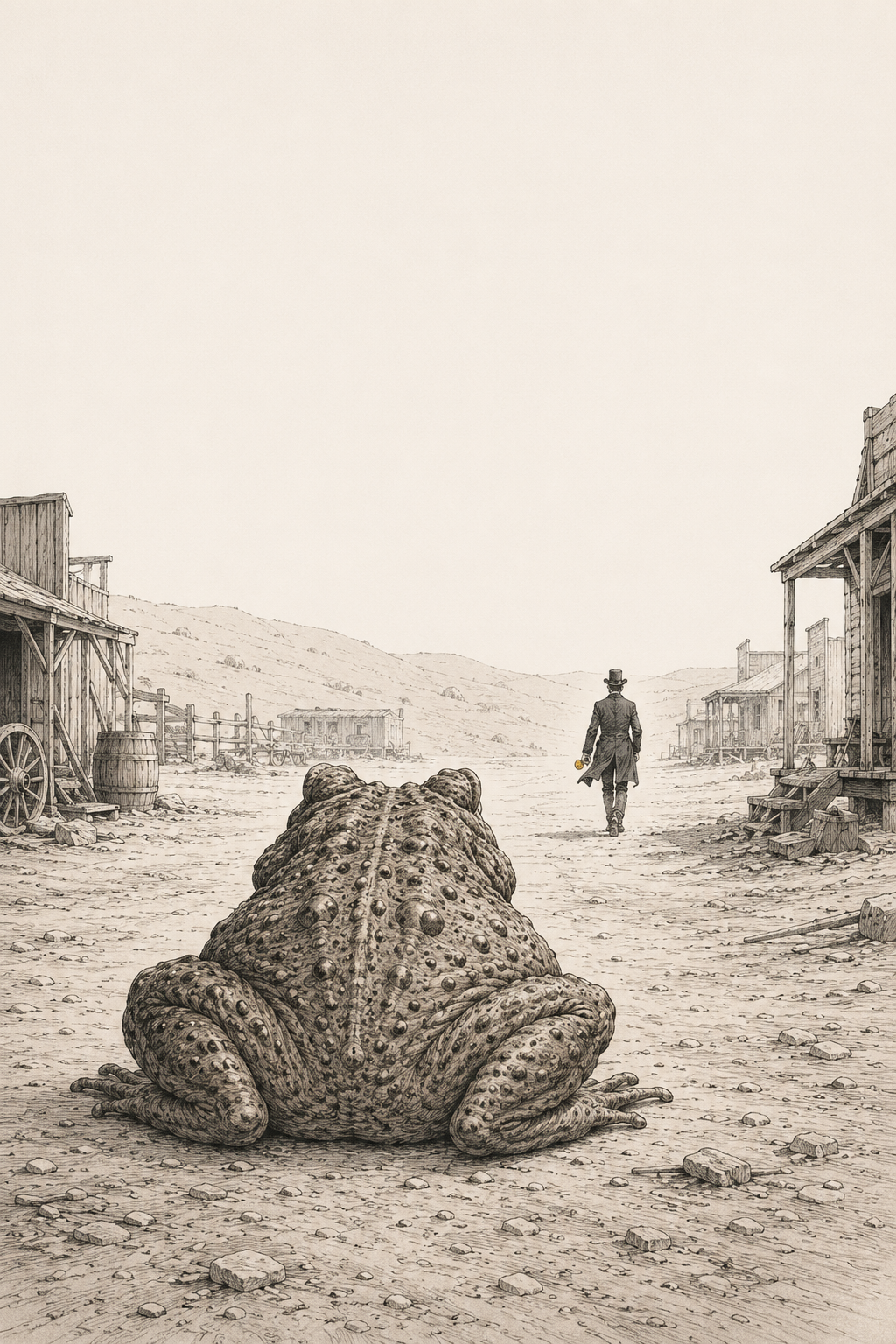
The Celebrated Jumping Frog of Calaveras County
by Mark Twain
Twain’s tall tale, told four times over: the original, the French translation that set him off, his deadpan retranslation, and a modern retelling, all annotated and illustrated.
Twain’s words are kept whole. The notes, retellings, and illustrations are new work by R. M. Hume, made with the help of AI.